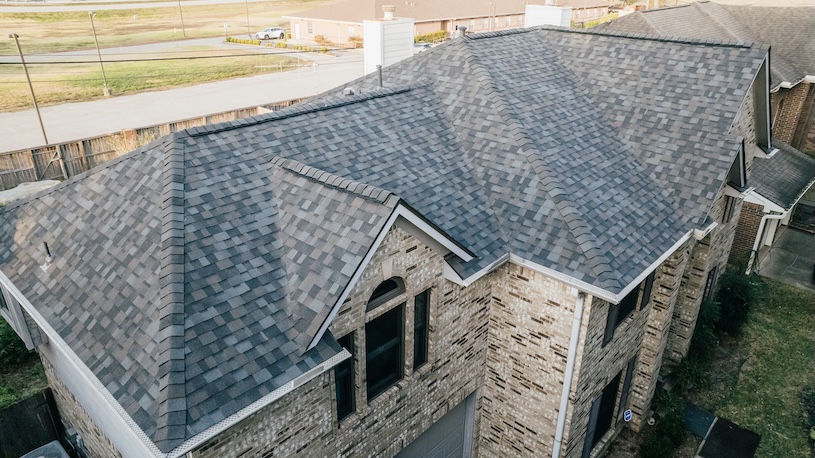
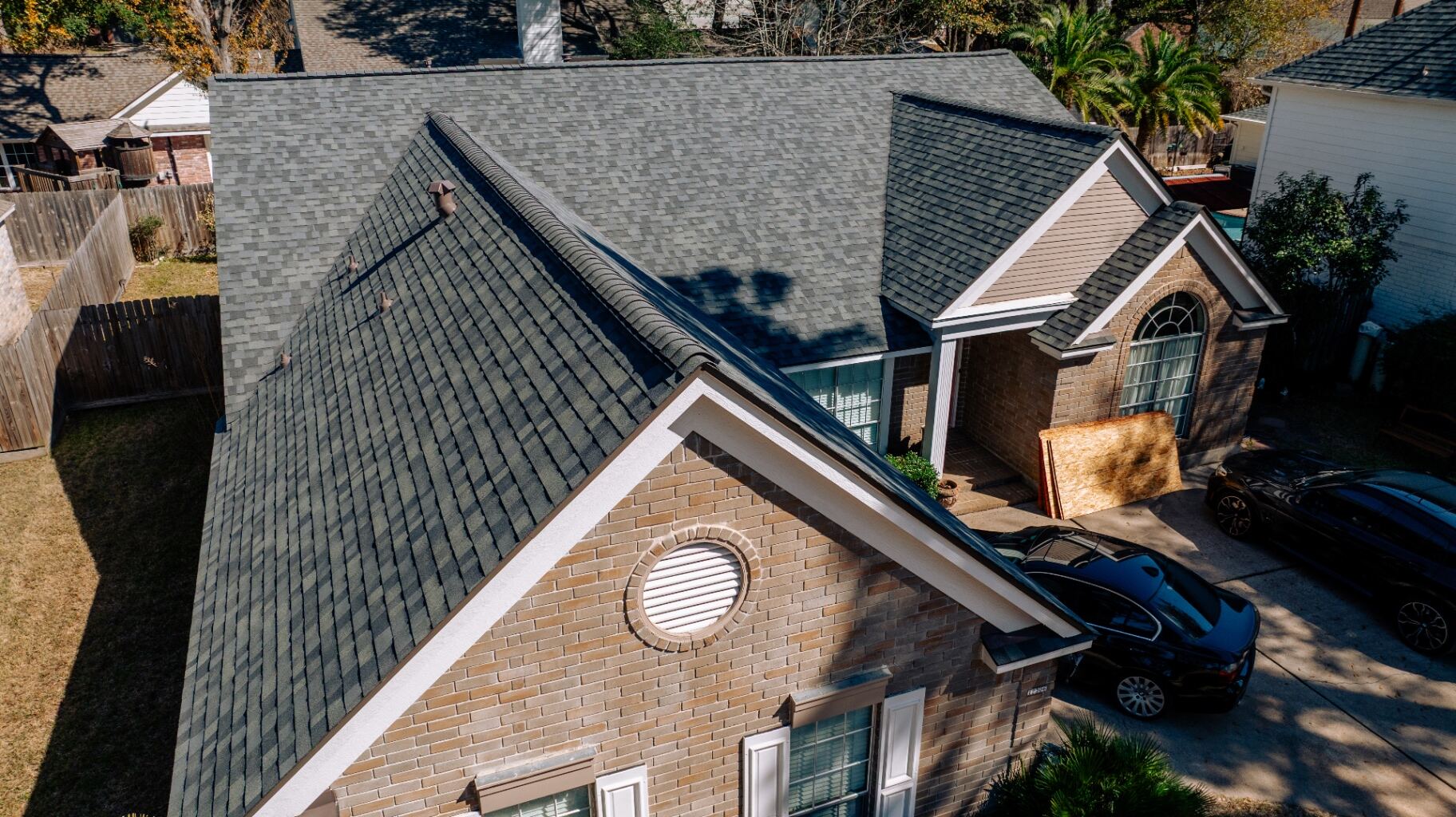
The short answer: hail at or above 1 inch in diameter (about the size of a quarter) is the industry threshold for asphalt shingle damage. Hail at 1.25 inch (half dollar) consistently bruises and fractures shingle mats. At 1.5 inch and up (ping pong ball) you get tile cracks, dented metal panels, and broken skylights. Harris County sits inside the spring hail belt; the Storm Prediction Center logs 1 inch plus events here roughly 8 to 12 times per year. This guide explains what each size actually does, why hidden damage matters more than visible damage, and how to know if you have a real claim.
- Smallest hail that damages a roof?
- 1 inch (quarter size) is the insurance industry threshold for asphalt shingle damage. Below 1 inch, damage is possible but not standard.
- What does 1.5 inch hail do?
- Consistently fractures asphalt mats, cracks concrete tile, dents metal panels and gutters, breaks skylight glass. Almost always a covered claim.
- Can hail damage be invisible from the ground?
- Yes, almost always. The damage is bruising on the mat under the granules. You need a trained inspector on the roof to see it.
- How long do I have to file?
- Texas carriers typically allow 12 months from the date of loss, but some require notice within 30 to 60 days. Check your policy and call inside 30 days.
Free inspection for your what size hail damages a roof? project
Tell us what you are dealing with and we will schedule a no obligation inspection. Prefer to talk? Call (713) 480-8877.
01 // What each hail size actually does
Under 1 inch (pea to dime size). Generally not enough energy to bruise a shingle mat. May knock loose granules on aged roofs at end of life. Not typically a coverable claim on a younger roof.
1 inch (quarter, the industry threshold). Begins bruising asphalt shingle mats. Damage is often invisible from the ground. This is the size most carriers and adjusters use as the trigger for a claim. Texas Department of Insurance treats 1 inch plus as the standard.
1.25 inch (half dollar). Consistently fractures shingle mats. Granule displacement is visible in gutters. Soft metal (gutters, AC fins, vents) shows dents.
1.5 inch (ping pong ball). Cracks brittle materials. Concrete tile fractures, skylight glass breaks, painted metal panels dent visibly. Almost always a covered claim.
1.75 inch (golf ball). Breaks through asphalt mats. Punctures soft aluminum. Damages window screens and fence pickets. Multi-trade claim territory.
2 inch and up (hen egg, tennis ball, baseball). Structural damage. Punctures decking through shingles, breaks gable vents and skylights, dents steel panels, breaks windshields. Houston has seen 2.5 to 4 inch events in 2017, 2019, and 2024.
02 // Why hidden damage matters more than visible damage
A hail-damaged shingle does not usually look broken from the curb. The damage is a soft bruise: the asphalt mat under the granule layer is fractured but the shingle still lies flat. The bruise exposes the mat to UV, which then fails at 5x normal speed. Roofs that took 1 inch hail in March often start leaking the following spring, well after the insurance reporting window has closed.
This is why every hail event over 1 inch in your zip code should trigger a free inspection from a qualified contractor, not a "wait and see" approach. The Insurance Information Institute publishes hail event data at iii.org if you want to verify what hit your address.
03 // Damage signatures by roof material
Asphalt shingles. Round bruises (the size of a dime to a quarter), exposed mat under displaced granules, granules collecting in gutters and at the base of downspouts. Bruises feel soft when pressed; new damage is dark, weathered damage is lighter.
Metal panels. Round dents visible from oblique angles in raking light. Standing seam panels are more resistant than corrugated. Painted finishes (Kynar 500) usually survive intact; the dent is cosmetic but the carrier may still cover replacement on aesthetic grounds.
Concrete and clay tile. Cracks, often hairline, often only visible from the roof. Broken corners. The underlayment beneath is the actual waterproof layer, so a cracked tile does not always mean a leak today, but it will leak in the next storm if not replaced.
Slate. Outright fractures or chips. Slate is the most hail-resistant common roofing material; significant damage to slate usually means 2 inch plus hail.
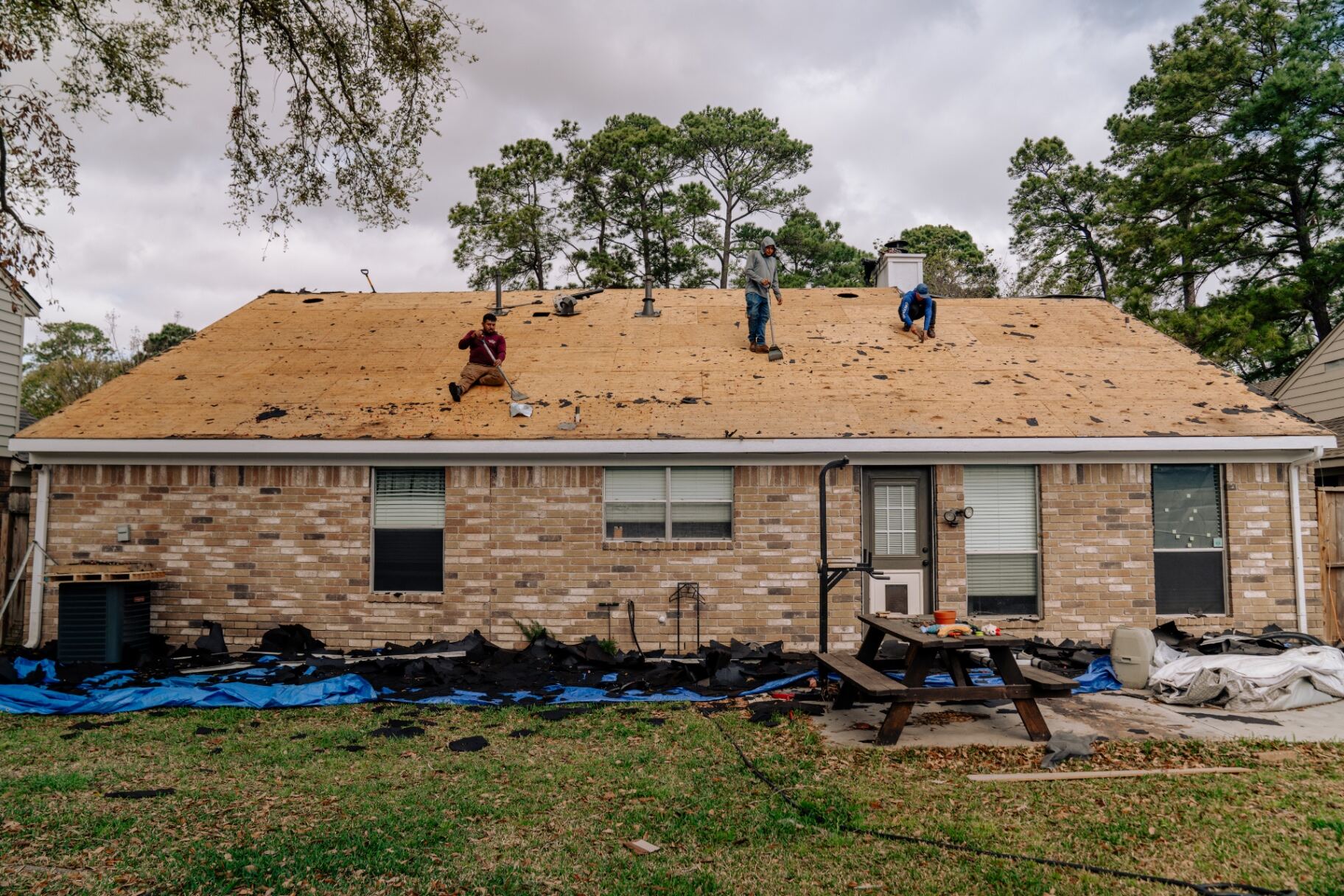
04 // When and how to file a claim
File inside 30 days of the event if possible. Even though most Texas policies allow 12 months, insurers scrutinize late claims and often dispute the date of loss. Document the storm date with the NOAA Storm Events Database for your zip code (free, public, treated as primary evidence by adjusters).
Get a free contractor inspection first, before you call your carrier. A qualified roofer (we do this in 24 hours) tells you whether damage is real and whether the claim is worth filing. Filing a claim that gets denied still counts against your loss history with most carriers; filing a valid claim does not.
If damage is confirmed, your contractor should meet the adjuster on the roof. This single step doubles the average payout on Houston hail claims, in our experience. The adjuster sees what the contractor sees, the scope is agreed in writing on day one, and there is no negotiation cycle afterward.
05 // Common false positives
Not every spot on a shingle is hail damage. Mechanical wear from foot traffic (HVAC tech, satellite installer) looks similar but tends to be linear or clustered around penetrations. Blistering from poor ventilation creates bubbles that pop and look like bruises but distribute evenly across the slope. Manufacturing defects sometimes mimic hail strikes. A trained inspector can tell the difference; an untrained one will sell you a roof you do not need. Get a second opinion if anything feels off. Our inspections are no obligation and we will tell you when damage is not real.